News

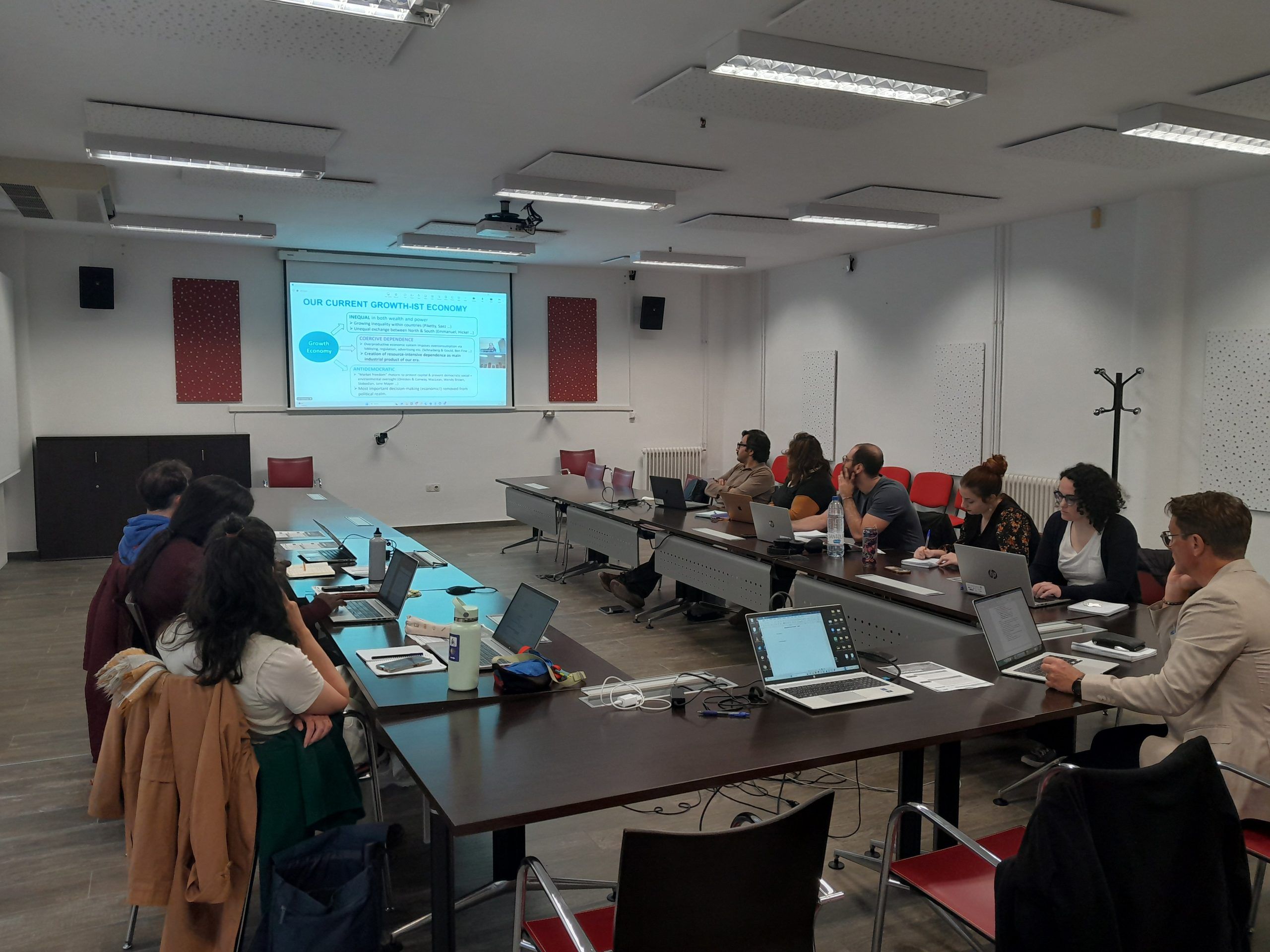
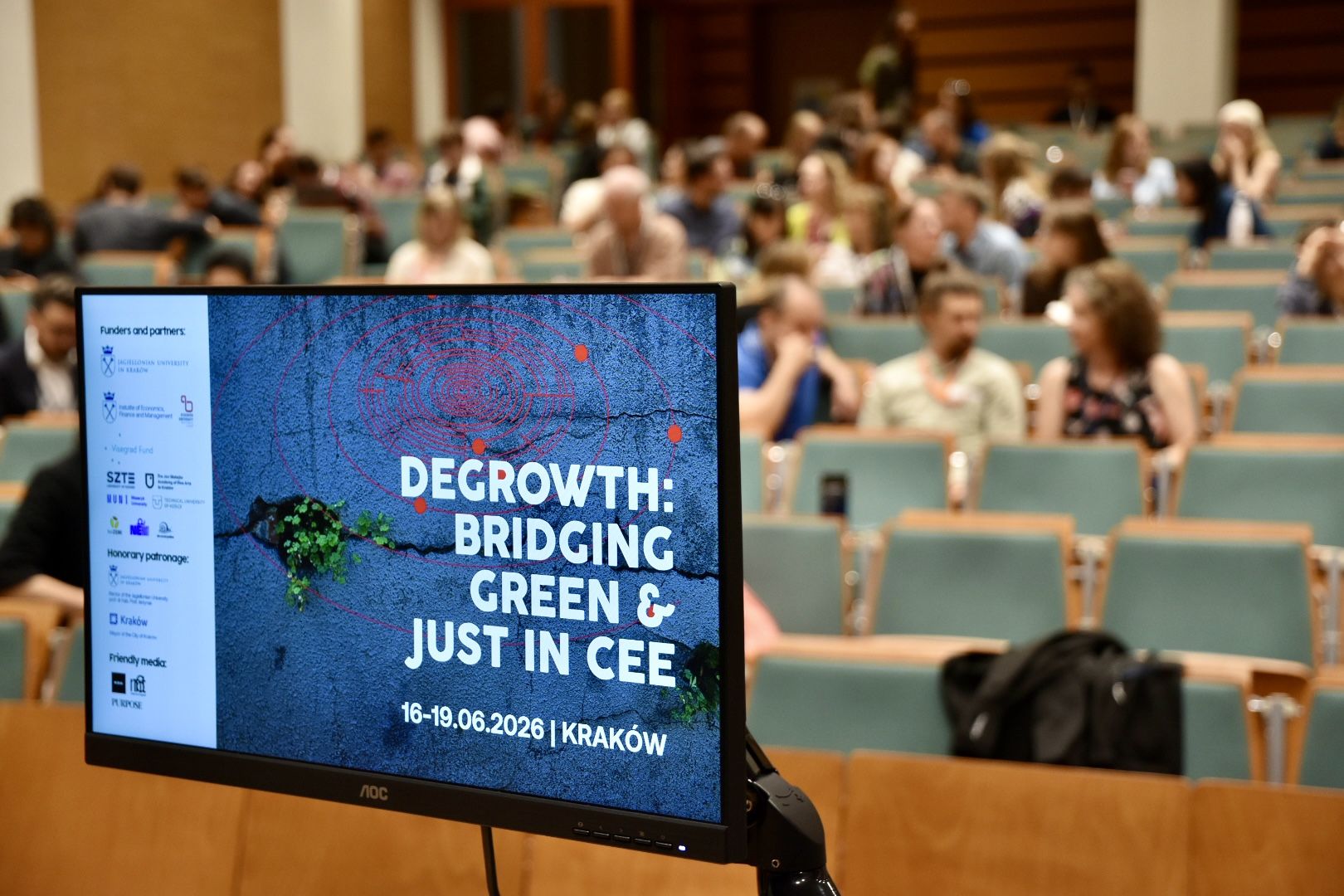
From 16–19 June 2026, Aretina participated in the conference 'Degrowth: Bridging Green and Just in Central and Eastern Europe', organised by Jagiellonian University in Kraków, Poland. The conference allowed for the crosspolination of diverse actors, from researchers and trade union representatives, to civil society organisations, artists, activists, practitioners, and policymakers to exchange ideas and strengthen collaboration around degrowth in Central and Eastern Europe.

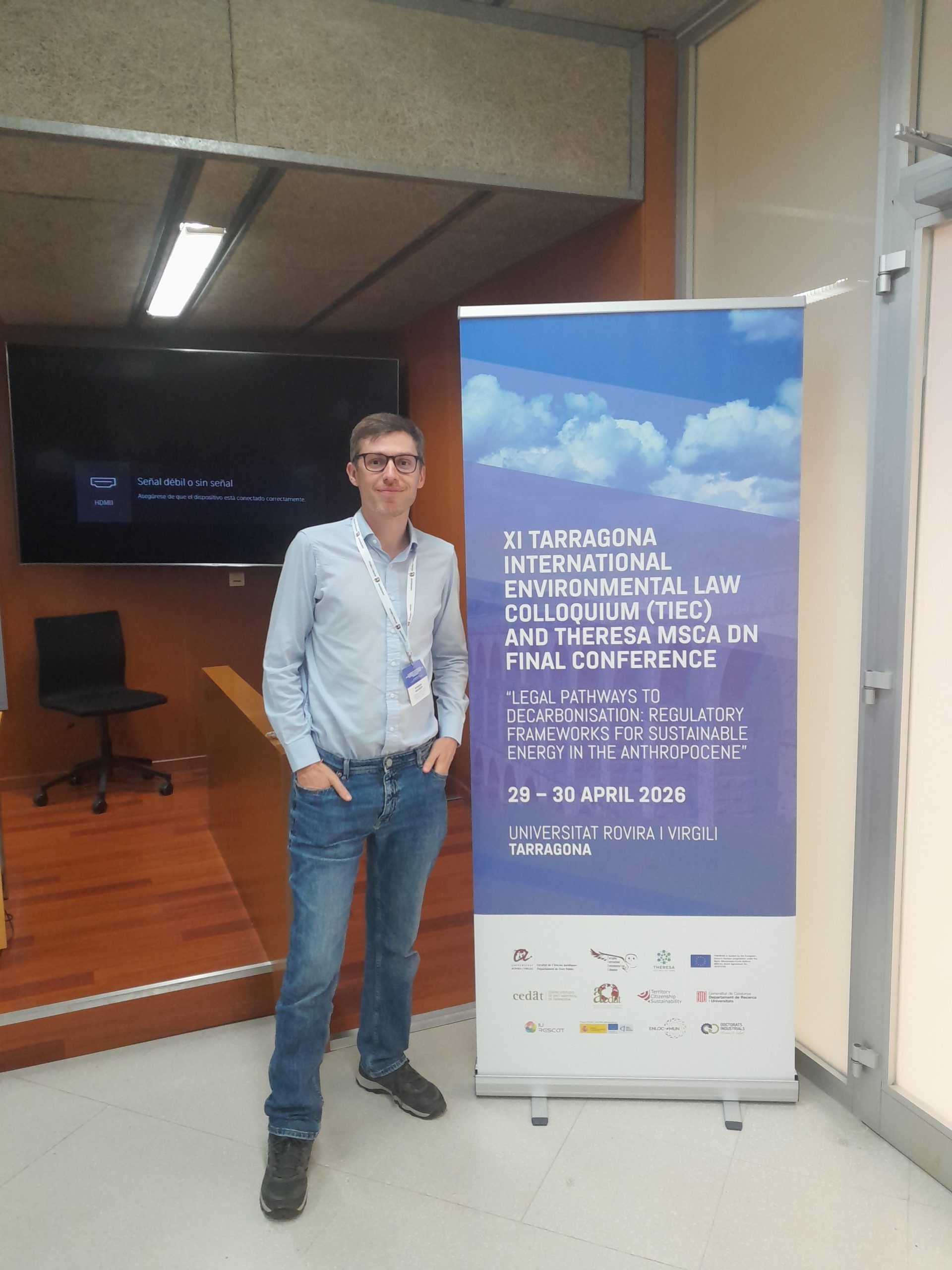
Dr. Romain Mauger delivered an opening keynote at the XI Tarragona International Environmental Law Colloquium (TIEC), held at the Universitat Rovira i Virgili, Tarragona, Spain, on the 29th of April 2026. Entitled "Come back down to Earth! Planetary boundaries, degrowth and energy law in the EU", the presentation adopted a voluntarily provocative tone to make an impression and convey the core message to the audience of fellow energy legal academics: available data shows that the absolute, global, sufficient and steady decoupling between economic growth and environmental footprint is not happening worldwide nor at national level even in Western or Northern European countries.

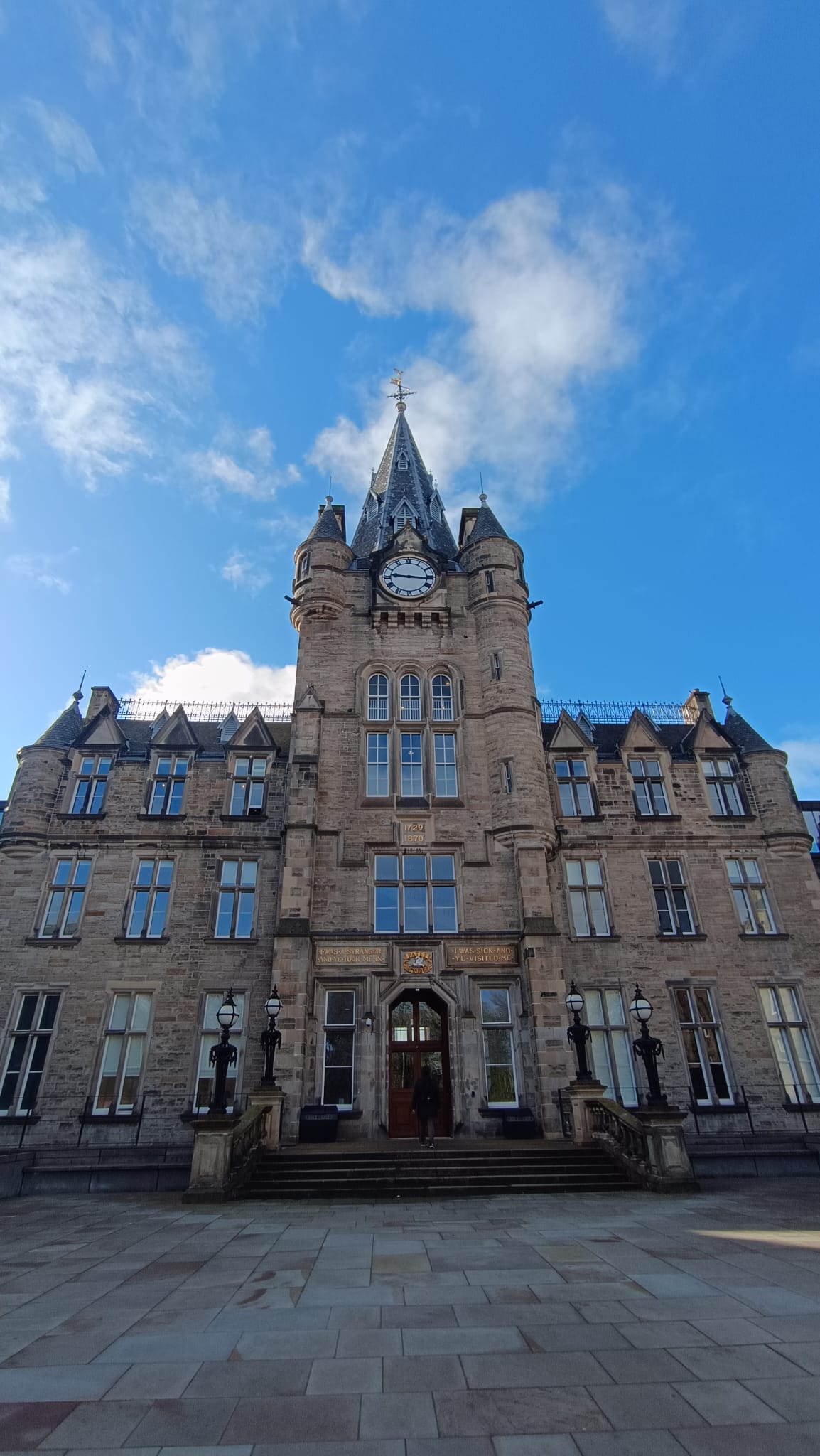
On 16 and 17 of April, Inês participated in a workshop organised by the Journal of Environmental Law and hosted by Edinburgh Law School. Titled New Challenges of Environmental Law: from carbon removals to AI, the workshop brought together leading scholars, practitioners, and policymakers to explore emerging challenges in environmental law.

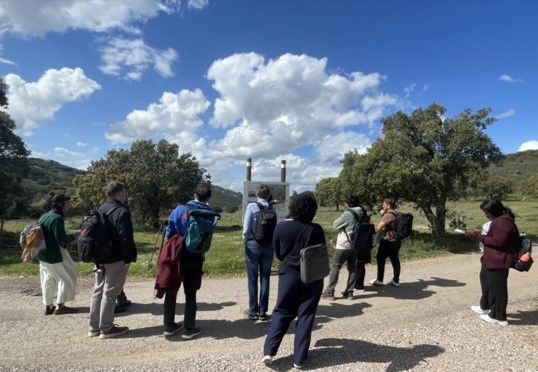
On the 20th of November 2025, Dr. Mauger received 2 prizes: both the regional (at Extremadura's scale) and the national (Spanish level) DaVinci Prize for humanities. These were granted during the IPFest 2025, an annual Spanish event were knowledge transfer is rewarded with different categories. The DaVinci prize is granted to the most integrative initiatives merging sciences, humanities and arts in the innovation context. The prizes were granted to Dr. Mauger for his academic research at the crossroads of various scientific disciplines in the field of energy, and especially so regarding the DELaw project, integrating law, degrowth theory and life-cycle analysis, mobilising a wide spectrum of disciplines.